Master Whiteout Survival with essential tips and strategies for building a resilient city and surviving the glacial apocalypse.

In 2026, the mobile strategy scene remains dominated by Century Games’ chilling hit, Whiteout Survival. This idle strategy title throws players into a world where a relentless glacial apocalypse has shattered society, leaving scattered survivors clinging to the last embers of hope. As the appointed leader, your mission is to transform a handful of crumbling shelters into a thriving, warm bastion of civilization. Blending idle mechanics with deep city-building and hero collection, Whiteout Survival continues to captivate millions – but the frozen wastes are unforgiving for newcomers.
Success in this icy realm demands more than just tapping upgrade buttons. You must balance resource production, satisfy increasingly complex survivor needs, and harness the power of heroes to push back against the cold – and the beasts that roam it. Whether you're just downloading the game or have been struggling to keep your furnace lit, this guide breaks down every essential system and offers expert tips to accelerate your progress.
❄️ Building the Heart of Civilization
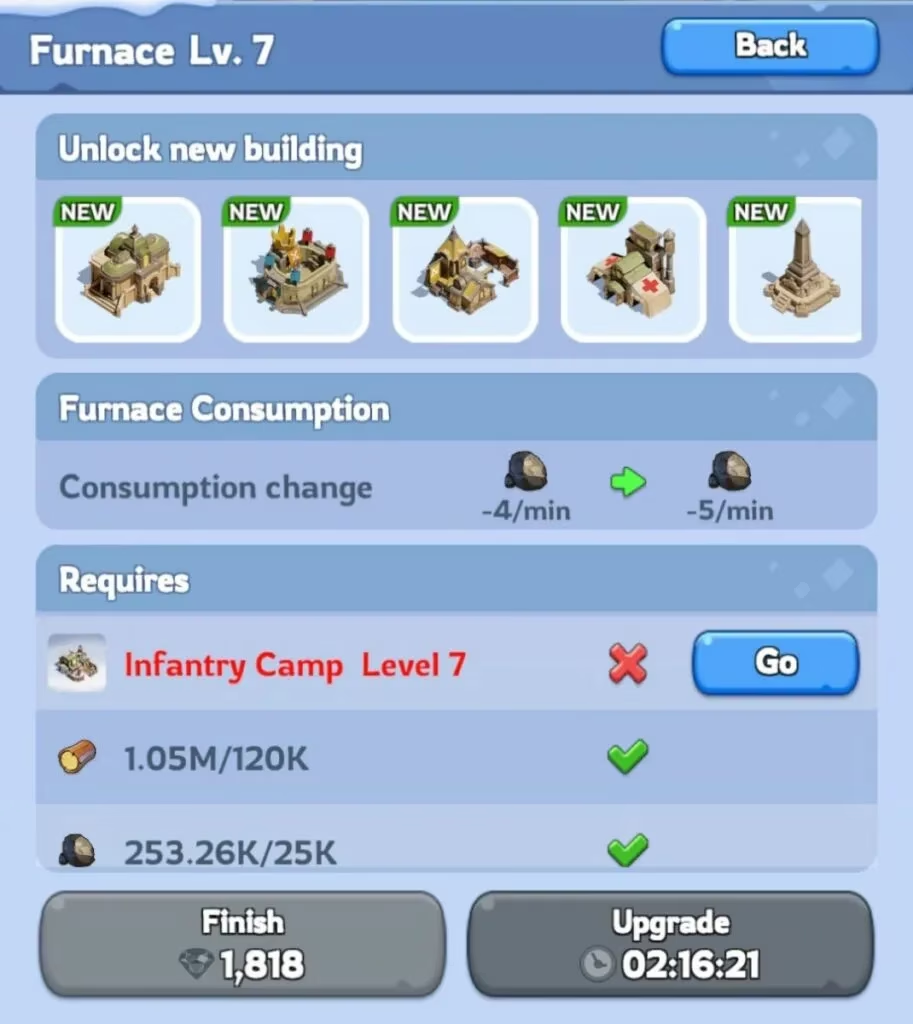
At the core of every settlement lies the Furnace. This colossal structure isn't just a source of heat; it’s the literal center of your expansion radius. Upgrading the Furnace raises the ambient temperature, unlocks new build spots, and opens access to higher-tier missions and features. Without a powerful Furnace, all other progress stalls – making it the single most critical upgrade in the game.
As the city grows, several other key structures demand attention:
-
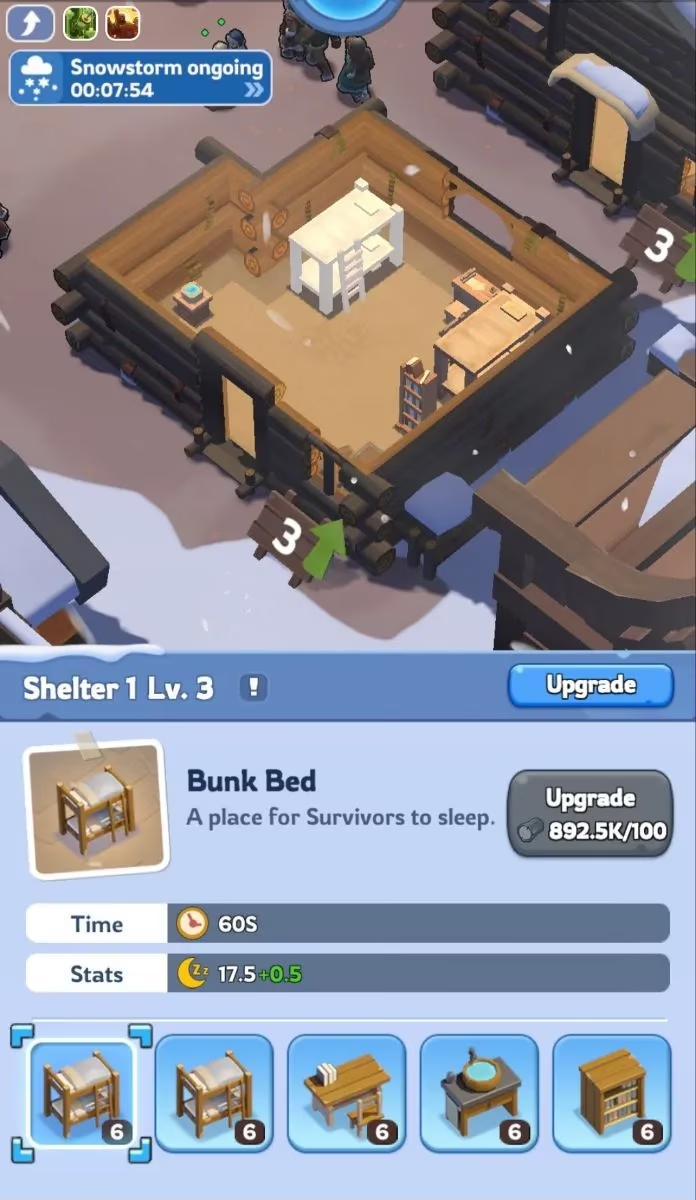
Shelters: These houses determine your survivor capacity. More shelters mean more workers to run your economy. Keep them upgraded, or citizens will grumble about poor rest.
-
Cookhouse: Where meals are prepared. The menu can be switched between basic, nutritious, and fancy meals – each with different resource costs and satisfaction levels.
-
Clinic: Sick survivors cannot work. A well-upgraded clinic boosts healing rates, returning your workforce to the mines and sawmills faster.
-
Resource Nodes: Sawmills, coal mines, iron mines, and hunter’s huts churn out the materials needed to fuel expansion and keep survivors fed and warm.
Unlike free-form city builders, Whiteout Survival employs a fixed-layout system. New building spots only appear after specific Furnace level breakpoints. Many players miss these pre-placed slots because the game doesn’t highlight them aggressively. Check your city perimeter regularly – those invisible plots could be holding back your entire production chain.
🔥 Decoding Survivor Needs (And Why They Matter)
Your survivors are more than just animated figures trudging through the snow – they are your primary resource. Unhappy or unhealthy citizens work slower, reducing the flow of coal, food, and wood. The game tracks five distinct needs, displayed on a simple radial menu:
Warmth – Directly tied to Furnace level and its power setting. Running the Furnace on maximum output doubles coal consumption but is often necessary during brutal night-time temperature drops.
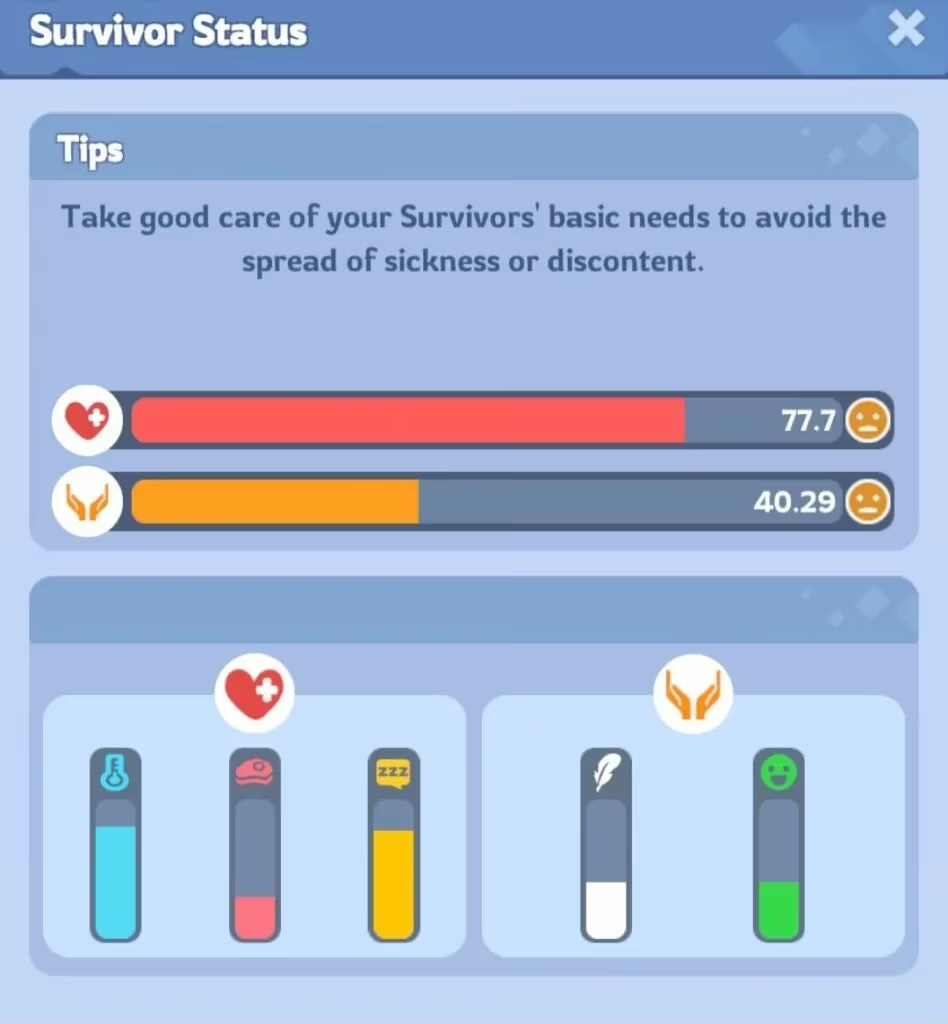
Fullness – Controlled by the Cookhouse. Switching from cheap gruel to a nutritious or fancy meal dramatically boosts satisfaction, but drains resources fast. Early on, stick to basic meals unless a mission demands otherwise.
Sleep – Shelter upgrades matter here. A level 3 shelter with basic beds provides far worse rest than a level 6 one with decent amenities.
Comfort – Facilities like washbasins inside shelters improve this stat. Upgrading them is straightforward but often overlooked.
Mood – Entertainment items like bookcases keep morale high. A low mood can cascade into sickness and labor shortages.
If any need strays into the red zone for too long, survivors fall ill and stop working entirely. This quickly spirals into a production crisis – fewer resources mean slower upgrades, which then further worsen living conditions. The solution is always proactive: upgrade the Furnace and Shelters before your population outgrows them.
⚔️ Heroes and Exploration: The Idle Battlefront
Beyond city management, the Exploration mode sends a squad of five heroes into auto-battler-style combat against waves of enemies. Recruitment works via a gacha system using keys, though the game generously provides a few free pulls each day. Every hero wields a unique skill with a cooldown that can be manually activated – or set to auto-cast once you reach the required level.

Exploration stages progressively introduce boss fights that demand stronger hero compositions and timely skill usage. The rewards – resources, hero XP, and upgrade materials – feed directly back into both your combat potential and city development. For maximum efficiency, prioritize unlocking the speed-up and auto-skill options early. Once available, you can breeze through dozens of stages while focusing on base building.
🗺️ Follow the Mission Path for Rocket-Fueled Progress
The most reliable roadmap for newcomers is the mission system, which breaks down into three categories:
📌 Chapter Missions – These guide your entire city development cycle, prompting specific upgrades and milestones. Completing a chapter unlocks the next and dumps a pile of rewards in your lap.
📌 Growth Missions – Secondary tasks that reward you for expanding in various areas, often overlapping with Chapter goals.
📌 Daily Missions – Simple, repeatable objectives. Spending five minutes ticking these off every day adds up to a massive long-term resource stockpile.

By adhering closely to these missions, the game effectively holds your hand through the foundational stages, ensuring you never waste resources on low-priority upgrades.
💡 Pro Tips for New Leaders in 2026
Even years after launch, many of the early-game pitfalls remain unchanged. Here are some battle-tested strategies:
-
Furnace first, always. Check upgrade requirements ahead of time and work toward them relentlessly. A Furnace upgrade unlocks new missions, buildings, and resource tiers.
-
Workstation balance is everything. Every new building or upgrade creates work slots. Immediately assign any unemployed survivors. If all workplaces are full but you still have idle hands, upgrade shelters to house more workers. If you have empty slots but no population, build shelters. Aim for zero unemployment and zero empty slots.
-
Toggle Furnace power at night. Max power during sleeping hours improves warmth and sleep quality, but drops resource consumption when you switch back to normal during the day.
-
Don’t sleep on cookhouse menus. When survivor fullness dips dangerously low, temporarily cook a fancy meal to stabilize morale – just don’t leave it on permanently or you’ll bankrupt your food stores.
-
Automate Exploration ASAP. Grind through the initial battles manually until the speed and auto-cast features unlock. Then let the system farm stages for you while you focus on city needs.
In 2026, Whiteout Survival continues to receive content updates, but the core loop remains as engaging – and challenging – as ever. By mastering the Furnace, keeping a close eye on survivor satisfaction, and pushing through Exploration, you’ll transform a frozen wasteland into humanity’s last, best stronghold. Now grab your parka and get building!